Biggest Thermomix TM7 Buying Mistakes (And How to Avoid Them)
The release of the Thermomix TM7 marks a significant milestone in the evolution of automated kitchen technology. As a multi-functional appliance that promises to replace over twenty different kitchen gadgets, it represents a substantial financial investment for any household. While the excitement surrounding the "smartest kitchen in the world" is palpable, many consumers rush into the purchase without fully understanding the landscape of connected cooking. This haste often leads to common pitfalls that can diminish the value of the appliance or result in unnecessary expenses. Understanding these potential errors is essential for any prospective owner looking to integrate high-end automation into their culinary routine.
Buying a high-ticket electronics item like the Thermomix TM7 is not just about the hardware; it is about committing to an ecosystem. This article explores the most frequent mistakes buyers make, provides a comprehensive analysis of the TM7’s capabilities, and offers a strategic buying guide to ensure your investment pays off in the long run. By sidestepping these errors, you can transform your kitchen into a hub of efficiency rather than a storage unit for an expensive, underutilized gadget.
Detailed Product Analysis: The TM7 Leap
The Thermomix TM7 is the successor to the highly popular TM6, and it introduces several key electronic and mechanical upgrades that cater to the modern, data-driven kitchen. At its core, the TM7 remains a powerful blender, cooker, scale, and steamer, but its advancements in sensor technology and processing power set it apart from its predecessors. The most notable electronic improvement is the high-resolution capacitive touch display, which is more responsive to touch even when fingers are damp or covered in flour—a common reality in active kitchens.
Under the hood, the motor has been refined for quieter operation at high speeds, and the heating element now offers more precise temperature control in one-degree increments. This level of precision is critical for advanced techniques such as sous-vide and tempering chocolate. Furthermore, the TM7 integrates enhanced Wi-Fi 6 connectivity, ensuring that the Cookidoo recipe platform syncs faster and software updates are handled seamlessly in the background. The introduction of "Guided Cooking 2.0" utilizes machine learning to suggest recipe adjustments based on altitude and atmospheric pressure, ensuring that a cake baked in Denver has the same consistency as one baked in Miami.
The TM7 also bridges the gap between manual cooking and full automation with its improved "Smart Modes." These include an advanced thickening mode for sauces, a specialized fermentation mode for yogurt and dough proving, and a high-powered peel mode that uses the "Blade Cover and Peeler" accessory to scrub root vegetables. It is this combination of high-torque mechanics and sophisticated software that justifies its position at the top of the electronics category in kitchenware.
Mistake #1: Underestimating the Learning Curve
Many buyers view the Thermomix TM7 as a "set it and forget it" machine similar to a slow cooker. This is a fundamental misunderstanding. While the guided cooking features make complex recipes accessible, mastering the manual controls and understanding how the appliance interacts with different ingredients requires time and patience. The electronics are sophisticated, but they still require human input for seasoning, ingredient quality assessment, and final presentation. The mistake lies in expecting the machine to handle the creative nuances of cooking without any user engagement. To avoid this, new owners should commit to a "training period" where they use the machine daily for various tasks, from simple vegetable steaming to complex multi-level cooking.
Mistake #2: Ignoring the Accessory Ecosystem
The TM7 is a versatile tool, but its true potential is unlocked through its specialized accessories. A common mistake is buying the base unit and assuming it includes everything needed for specialized tasks. For instance, the Vorwerk Varoma (for steaming), the Butterfly Whisk (for aeration), and the newer Blade Cover / Peeler are often sold in bundles or as separate add-ons. Prospective buyers often realize too late that they missed out on a promotional bundle that included a second mixing bowl—one of the most valuable "quality of life" upgrades for the TM7. Having two bowls allows for seamless transitions between savory and sweet components of a meal without needing to wash the bowl mid-process.
Mistake #3: Not Evaluating Countertop Real Estate
For an electronic appliance that is meant to be used daily, the TM7 requires a permanent home on the kitchen counter. A frequent regret among buyers is realizing the machine is taller or deeper than their cabinetry allows, especially when the Varoma steaming attachment is in use. Measuring the clearance under upper cabinets is a step many skip. Furthermore, the TM7 features a sensitive integrated scale. If the machine is placed on a surface that vibrates or isn't level, the electronic readings can be inaccurate. Buyers should ensure they have a stable, flat surface with adequate ventilation for the steam that inevitably escapes during high-temperature cooking.
Find top-rated Electronics products at great prices.
View Offers →Pros and Cons of the Thermomix TM7
To provide a balanced view for potential buyers, it is helpful to categorize the strengths and weaknesses of the TM7 based on long-term user feedback and technical specifications.
- Pro: All-in-One Integration — The machine replaces a blender, food processor, scale, steamer, sous-vide bath, and slow cooker, saving space in the long run.
- Pro: Guided Cooking Precision — The software walks users through every step, automatically setting the correct time, temperature, and speed for each ingredient.
- Pro: Smart Cleaning Modes — The electronic motor detects the level of residue in the bowl and adjusts the cleaning cycle (pre-clean) to suit the mess, significantly reducing manual scrubbing.
- Pro: Resale Value — Historically, Thermomix units hold their value exceptionally well in the secondary electronics market compared to other small appliances.
- Pro: Safety Features — Advanced electronic locking arms and temperature sensors prevent the machine from opening at high speeds or overheating.
- Con: Initial Price Point — The cost is significantly higher than purchasing individual mid-range appliances separately.
- Con: Subscription Dependency — To get the most out of the "Smart" features, a recurring subscription to the Cookidoo recipe platform is almost essential.
- Con: Digital Fragility — Like any high-end piece of electronics with a large touch screen, it is more susceptible to software glitches or screen damage than a traditional analog appliance.
- Con: Weight and Portability — While it has a handle, the unit is heavy. Frequent moving can strain the internal electronic scales.
Comparing the TM7 to the Previous Generation
When deciding whether to invest in the latest model or seek out a refurbished older version, a direct comparison of the technical specifications is invaluable. Buyers often make the mistake of assuming the differences are purely aesthetic.
| Feature | Thermomix TM6 | Thermomix TM7 |
|---|---|---|
| Display Size | 6.8-inch LCD | 8.2-inch High-Res OLED |
| Connectivity | Wi-Fi 5 / Bluetooth 4.2 | Wi-Fi 6 / Bluetooth 5.2 / Matter Support |
| Motor Noise | Standard Decibel Rating | Silent-Drive Motor Technology |
| Heating Precision | 5-degree increments | 1-degree increments |
| Standard Modes | 15 Modes | 22+ Modes (including Peel & Grate) |
| Scale Sensitivity | 1 gram increments | 0.5 gram increments |
Mistake #4: Overlooking the Subscription Cost
In the world of modern electronics, hardware is often the entry point for a "Software as a Service" (SaaS) model. The TM7 is designed to work in tandem with Cookidoo. While you can use the machine manually without it, you lose 90% of the functionality that makes the TM7 a premium choice. Many buyers do not factor the annual subscription fee into their budget. Failing to realize that the machine's "brain" is largely cloud-based can lead to frustration if the user is averse to recurring digital costs. To avoid this mistake, research the subscription costs in your region and decide if the library of over 80,000 recipes is worth the ongoing investment.
Mistake #5: Misunderstanding the "Smart Home" Capabilities
The TM7 is one of the few kitchen appliances moving toward "Matter" compatibility, meaning …Detailed Buying Guide for the Thermomix TM7
If you have weighed the electronic benefits and decided to move forward, following a structured buying process will help you avoid the "buyer's remorse" associated with such a large transaction. This guide breaks down the process into technical and practical considerations.
Step 1: The Kitchen Audit
Before purchasing, identify which of your current appliances the TM7 will replace. If you already own a professional-grade stand mixer and a high-end blender, you need to determine if the integrated nature of the TM7 provides enough value to justify the overlap. The TM7 excels at tasks that require constant stirring at precise temperatures—something a stand mixer cannot do. If you find yourself frequently making risottos, custards, or slow-cooked stews, the electronic automation will provide a significant upgrade over manual methods.
Step 2: Voltage and Regional Requirements
Since the Thermomix is a global product, a major mistake is purchasing a unit from an overseas retailer to save on costs. Small kitchen electronics are highly sensitive to voltage differences. A European 220V unit will not function correctly on a standard 110V North American circuit without a massive, inefficient transformer that could damage the TM7's delicate circuit boards. Always buy from an authorized distributor in your specific region to ensure the power requirements match your home and that your warranty is valid.
Find top-rated Electronics products at great prices.
Browse Now →Step 3: Timing the Purchase
Thermomix rarely offers "discounts" in the traditional sense, but they frequently run promotional cycles. These promotions often include "bonus" items like an extra mixing bowl, a carrying case for travel, or extended subscription trials. One of the biggest buying mistakes is purchasing the unit the week before a major bundle promotion begins. Research historical promotion windows (often around holidays or the anniversary of the model release) to maximize the value of your purchase.
Step 4: Assessing the User Interface
If possible, interact with a demonstration unit before buying. The electronic interface of the TM7 is the primary way you will interact with the machine. For some users, the transition from physical knobs to a digital screen is jarring. Ensure that the menu structure feels intuitive to you. The TM7 has significantly reduced menu lag compared to the TM6, but it still requires a level of digital literacy to navigate settings, Wi-Fi configuration, and recipe filters.
Step 5: Warranty and Support
Because the TM7 is a complex electronic device with multiple moving parts and sensors, the potential for repair is higher than with a standard "dumb" blender. A critical mistake is not investigating the local service options. Does the manufacturer have a local repair center, or will you have to ship the 20-pound unit across the country? Understanding the terms of the electronic warranty and whether it covers items like the touch screen or the motor is essential for peace of mind.
Real-World Use Cases: Why Precision Matters
To understand the electronic value of the TM7, consider the case of a home baker. In a traditional setup, melting chocolate involves a bain-marie and a manual thermometer. It is easy to overheat the chocolate, causing it to seize. The TM7 uses its internal electronic sensors to maintain a constant temperature of exactly 37 degrees Celsius while the blades gently stir at a low speed. This automation removes the margin of error. Similarly, for families focused on health, the high-speed motor enables them to mill their own grains into flour or turn frozen fruit into sorbet in seconds, without the additives found in store-bought versions.
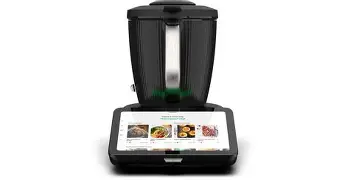
Another use case involves the "High Temperature" mode, which is only available during guided cooking for safety reasons. This mode allows the TM7 to brown meat and caramelize onions—tasks that older models struggled with. The electronics monitor the moisture levels and temperature to prevent the heating element from burning the base of the bowl. For the busy professional, being able to begin a recipe and walk away while the machine handles the sautéing and stirring is the primary "feature" of this electronic assistant.
Conclusion
The Thermomix TM7 is arguably the most advanced piece of electronic equipment in the modern kitchen. However, its success as a tool depends heavily on the buyer's approach. The most common mistakes—underestimating the learning curve, ignoring the ecosystem, and failing to plan for the digital subscription—are all easily avoidable with proper research. By treating the TM7 as a sophisticated electronic system rather than a simple appliance, you can ensure that your investment results in years of culinary creativity. Whether you are seeking precision in professional techniques or simply looking to streamline weeknight dinners, avoiding these pitfalls will allow the TM7 to live up to its full potential as the centerpiece of your smart home.